For many enthusiasts, a vehicle is far more than a simple tool for commuting from one point to another; it is an extension of their personality, a blank canvas waiting to be transformed. Customizing your ride allows you to break away from mass-produced factory uniformity and build a machine that turns heads, optimizes performance, and perfectly aligns with your aesthetic vision. Whether you are driving a factory-fresh sports car or restoring a classic truck, the path of personalization is an incredibly rewarding journey that elevates your connection to the open road.
However, entering the world of aftermarket modifications requires a careful balance of high-level creativity and technical precision. Without a structured strategy, random modifications can quickly compromise your vehicle’s structural integrity, safety systems, and long-term resale value. Success depends on collaborating with the right specialists, prioritizing quality materials, and understanding the engineering behind every adjustment. This comprehensive roadmap provides an in-depth operational guide to personalizing your vehicle safely and effectively, taking you from the showroom floor to a fully realized custom masterpiece.
Navigating the Initial Acquisition and Asset Protection

Securing the Right Platform and Preserving Factory Foundations
The personalization process often starts the moment you select the vehicle itself. While many enthusiasts buy already modified vehicles on the private market, starting with a clean, stock vehicle provides the safest foundation for custom work. If you are shopping for a new or certified pre-owned platform, filtering through regional auto dealers allows you to secure an unblemished factory baseline backed by corporate warranties. When interacting with these sales hubs, look for vehicles with packages that include robust cooling systems or upgraded suspension components, as these factory options provide a sturdier structural anchor for any high-horsepower or heavy visual modifications you plan to add later.
Once your baseline platform is secured, your immediate next priority must be structural health and mechanical preservation. Before adding any cosmetic upgrades, your car must undergo a rigorous mechanical baseline check at a certified auto repair service. This proactive evaluation ensures that the engine, drivetrain, electrical harnesses, and safety systems are performing at 100% capacity. Personalizing a car that has underlying mechanical faults is a recipe for financial disaster; ensuring your vehicle is physically healthy from the inside out guarantees that your aesthetic modifications are backed by reliable, high-performance engineering.
- Audit Factory Warranties: Clarify with your sales representative exactly which aftermarket modifications will void your factory coverage and which can be safely installed.
- Request a Tech-Stack Scan: Ensure your service technician runs a full diagnostic scan on the electronic control modules (ECMs) to identify hidden electrical faults before modifying the electrical system.
- Analyze Structural Integrity: Check the chassis and frame rails for any micro-fissures or hidden rust spots that could compromise aftermarket suspension upgrades.
- Document Baseline Performance: Keep clear logs of your car’s factory horsepower, braking distances, and fluid temperatures to accurately measure the impact of future performance enhancements.
- Evaluate Electrical Charging Caps: Check if your factory alternator can handle the power draw of upgraded lighting or sound systems before adding aftermarket loads.
- Establish an Upkeep Routine: Commit to shorter fluid change intervals once you modify a vehicle, as custom components place higher thermal stress on engine oil.
Mastering Advanced Exterior Finishes and Environmental Barriers
Transforming Surface Aesthetics with High-Performance Polymer Films
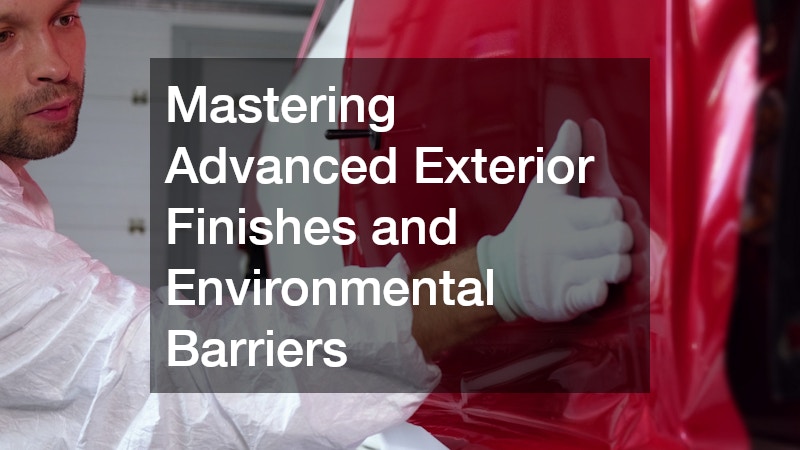
For many enthusiasts, the most dramatic way to personalize a vehicle is to completely alter its color and surface texture. While traditional custom paint can cost tens of thousands of dollars and permanently alter the car’s original state, modern polymer technologies offer an incredibly flexible alternative. Commissioning high-end auto wraps allows you to wrap your vehicle in unique matte, satin, color-shifting, or ultra-gloss finishes that protect the underlying factory paint while completely redefining its curbside character. These premium multi-layer films act as an impenetrable barrier against minor road debris, ultraviolet degradation, and environmental contaminants.
Executing this type of surface transformation requires microscopic precision and a highly clean application environment. Partnering with a certified local vehicle wrap service ensures that the polymer film is applied in a temperature-controlled, dust-free facility. Professional installers will meticulously disassemble exterior components like door handles, emblems, and trim pieces to wrap deep into the panel gaps, creating a seamless, paint-like finish with zero visible edges. This standard of installation prevents edge lifting and bubbling, ensuring your custom look remains pristine for years under harsh daily driving conditions.
- Examine Material Specifications: Choose cast films over cheaper calendered options, as cast polymers conform flawlessly to deep body contours without pulling away over time.
- Verify Clean Room Protocols: Ensure your chosen installation facility uses positive-pressure air filtration to eliminate airborne dust particles that cause surface bubbling.
- Establish Film Post-Heating Standards: Confirm that installers utilize infrared heat guns to set the film’s structural memory once applied, lock-stitching the adhesive backing into place.
- Inquire About Ceramic Layering: Apply an aftermarket ceramic coating directly over your new film to increase scratch resistance and make washing significantly easier.
- Review Film Removal Procedures: Choose high-quality adhesives that can be safely peeled off after several years without leaving chemical residue or lifting the factory clear coat.
- Check Seam Placement Plans: Ask your installer where panels will require seams, ensuring they are placed along natural body lines where they remain completely invisible.
Enhancing Cabin Comfort, Protection, and Visual Contrast
Utilizing Specialized Graphics and Thermal Shielding Systems
Personalization isn’t just about changing the large sheet metal panels; it’s about refining the details that elevate the overall user experience. For enthusiasts looking to apply custom stripes, intricate decals, or precise commercial branding patterns, utilizing a specialized adhesive vinyl service provides unmatched creative freedom. This micro-repair and graphic engineering sector uses advanced plotters to cut highly complex geometric patterns that can be applied to hoods, roofs, or side panels, creating a sharp visual contrast that complements the vehicle’s underlying body lines without requiring a full structural color change.
Simultaneously, modifying your vehicle’s glass surfaces provides massive improvements in both interior aesthetics and cabin comfort. Booking a premium local auto tinting service allows you to reject harsh solar heat, eliminate blinding glare, and protect your interior leather and carbon fiber trim from catastrophic UV cracking. Modern nano-ceramic window films provide incredible thermal protection without requiring an illegally dark shade, giving you a sleek, cohesive exterior look while keeping the cabin substantially cooler during intense summer driving conditions.
- Match Film Chemistry to Tech Nodes: Opt for non-metallized ceramic window films to ensure your vehicle’s GPS, cellular, and tire pressure monitoring (TPMS) signals face zero interference.
- Verify State Tint Compliance: Check local highway laws regarding visible light transmission (VLT) percentages for side and rear glass to avoid costly traffic citations.
- Enforce Edge-Filing Techniques: Look for shops that execute a shaved-edge finish on roll-down windows, leaving zero gap between the film and the top of the glass.
- Select UV-Stable Inks: If your custom decals feature printed colors, ensure the graphics shop utilizes UV-cured inks to prevent fading after months of intense sun exposure.
- Understand Curing Timeframes: Allow window film to dry completely for three to five days before rolling windows down to prevent creasing the adhesive bottom edge.
- Assess Interior Visibility Options: Choose a tint shade that offers high heat rejection while still providing clear, safe outward visibility during night driving.
Rectifying Physical Blemishes and Structural Panels

Integrating Micro-Repair Engineering and Heavy Body Restorations
A truly clean custom vehicle must possess a flawless structural canvas before any aftermarket parts or graphic films are applied. Even the most striking wrap or custom wheel setup will look unpolished if applied over dented panels or scraped sheet metal. For minor parking lot dings or garage mishaps where the paint remains unbroken, utilizing paintless dent repair is the most efficient solution. This highly technical engineering process uses specialized steel rods to access the backside of a panel and carefully massage the metal back into its original shape, preserving the valuable factory paint layer and eliminating the need for heavy plastic body fillers.
For vehicles requiring more aggressive exterior modifications, such as wide-body panel extensions, custom fiberglass hoods, or structural collision restoration, you must seek out comprehensive auto body services. This tier of customization involves structural welding, panel blending, and advanced composite work. A high-end body shop can flush-mount aftermarket body kits, modify wheel arches to accommodate oversized deep-dish wheels, and apply custom multi-stage paint finishes that feature metallic flakes or deep candy clears, ensuring your vehicle’s physical structure matches its aggressive aesthetic goals.
- Test Metal Elasticity Limits: Deploy micro-repair techniques only if a thorough inspection confirms the metal hasn’t been sharply creased or stretched beyond its structural yield point.
- Audit Panel Gapping: Ensure your body technicians maintain uniform, factory-spec millimeter gaps between all customized body panels to prevent scraping and whistling at highway speeds.
- Insist on Corrosion Primers: Verify that any bare metal exposed during panel modification or cutting is immediately treated with zinc-rich epoxy primers to stop rust before it starts.
- Utilize Digital Color Matching: Choose shops equipped with computerized spectrophotometers to ensure custom-painted panels blend seamlessly with your vehicle’s remaining factory finish.
- Inspect Composite Backings: When installing fiberglass or carbon fiber hoods, ensure the underside features proper structural bracing to prevent cracking under high aerodynamic pressure.
- Check Marine-Grade Body Welds: Verify that any custom metal fabrication uses precise TIG welding to ensure structural joints remain stronger than the surrounding steel panels.
Upgrading Glass Systems and Advanced Security Infrastructure
Calibrating Optical Sensors and Integrating Secure Entry Technology
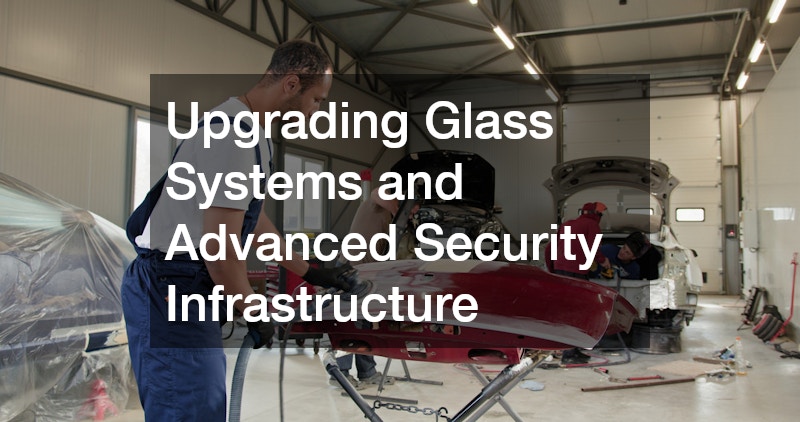
As you modify your vehicle’s exterior and physical structure, you cannot overlook the vital safety and security systems integrated into your glass and ignition nodes. Modern windshields are no longer just glass shields; they are high-tech optical components that house rain sensors, heads-up display prisms, and forward-facing safety cameras. If your customization project involves replacing cracked glass or upgrading to lightweight acoustic glass, you must use a certified auto glass service. These specialists ensure the new glass matches structural specifications and utilize advanced diagnostic tools to recalibrate your Advanced Driver Assistance Systems (ADAS), keeping your lane-keep assist and automatic braking functional.
Finally, true customization involves upgrading the security and access control infrastructure of your machine. If you are building a custom project car with an upgraded engine or an older classic that lacks modern convenience features, partnering with a specialized auto locksmith is essential. These security engineers can retrofit your vehicle with modern proximity keys, push-to-start ignitions, and encrypted immobilizer bypass modules. Upgrading your security architecture ensures that your highly customized, high-value asset remains protected against sophisticated modern theft methods, giving you peace of mind wherever you park your creation.
- Insist on OEM-Spec Polyurethane: Ensure your glass technician utilizes high-modulus, non-conductive adhesives that cure rapidly to preserve the vehicle’s structural roof-crush protection.
- Execute Dynamic ADAS Calibrations: Verify that your safety cameras are calibrated via specialized scanning tools over a multi-mile test drive immediately following any glass replacement.
- Upgrade to Rolling-Code Transponders: When configuring new keys for your custom build, utilize advanced rolling-code security systems to prevent digital key-cloning or signal-relay attacks.
- Integrate Hidden Kill-Switches: Work with your security tech to install a discreet fuel pump or ignition kill-switch hidden within your custom interior panels for an extra layer of defense.
- Verify Glass Acoustic Properties: Choose replacement windshields with built-in acoustic interlayer technology to keep your cabin quiet and optimize the sound profile of your custom exhaust.
- Configure Remote Start Links: Sync your custom secure entry system with a smartphone app to allow for remote cabin temperature pre-conditioning before driving.
Personalizing your vehicle is a highly rewarding journey that transforms a generic machine into a unique statement of your identity and technical style. By systematically addressing your vehicle’s needs, from the initial mechanical vetting to advanced polymer wraps, ceramic thermal shading, structural body adjustments, and secure digital entry infrastructure, you build an automotive asset that delivers immense personal joy and commands respect within the car community.
In the modern automotive culture, a truly great custom car is defined by its execution. It is found in the uniform gaps of the modified body panels, the seamless edges of the protective films, and the flawless calibration of the internal electronic safety networks. As long as you lead with patience, prioritize certified craftsmanship over cheap corner-cutting, and treat your vehicle’s structural safety as a non-negotiable boundary, your customized machine will provide an unmatched driving experience across every mile of the road ahead. Your creation is a reflection of your vision, now go out, turn the key, and enjoy the drive.