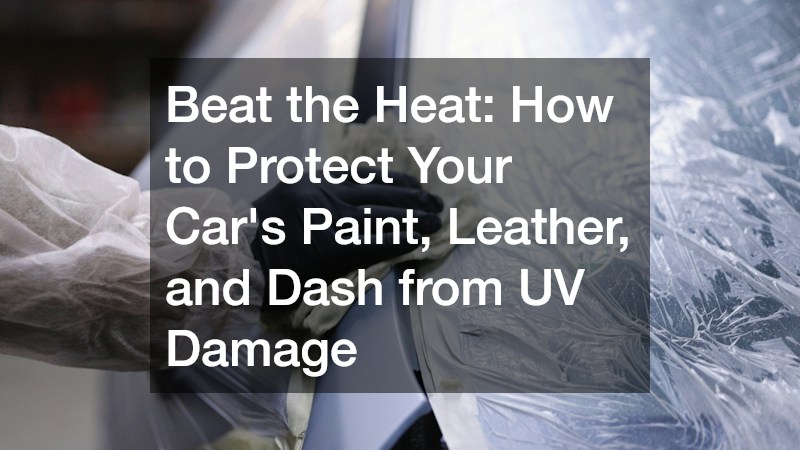
Summer brings long road trips, bright sunny days, and warm outdoor drives, but for your vehicle, intense solar radiation presents a relentless physical threat. Sunlight carries ultraviolet radiation (UV-A and UV-B rays) along with infrared thermal energy. When exposed to persistent sunshine, your vehicle acts like a solar collector, trapping radiant heat within an enclosed cabin while solar rays bombard exterior painted surfaces. Over time, this daily thermal stress breaks down chemical bonds inside clear coat layers, bakes essential moisture out of interior leather hides, and causes rigid plastic dashboards to dry, warp, and split.
Protecting Exterior Clear Coat, Paint, and Trim
Apply Modern Ceramic Coatings and Paint Protection Films
Your vehicle’s paint system consists of multiple engineered layers: a primer coat applied to the raw metal, a pigmented base coat that supplies color, and a hard, transparent clear coat designed to seal the pigment and reflect physical abrasion. However, ultraviolet radiation acts as a silent solvent on clear coats. As UV rays penetrate the transparent layer, they trigger photo-oxidation, a chemical reaction that breaks the cross-linked polymer bonds within the clear coat finish. Once these molecular bonds break down, the paint loses its gloss, develops a hazy white film, and eventually begins to flake away in scales.
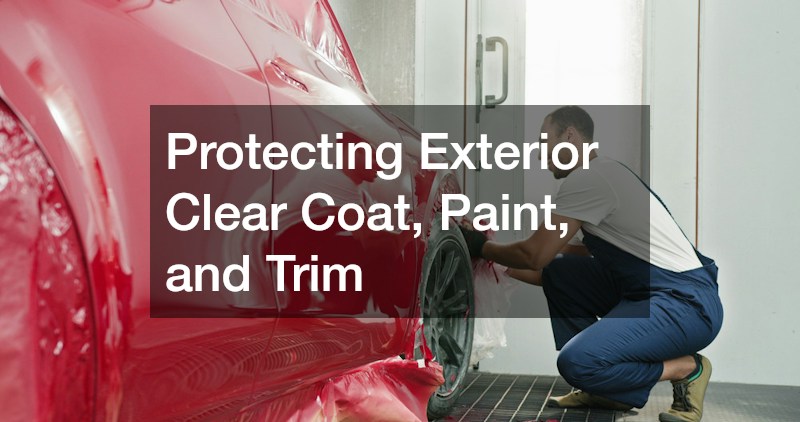
Deploying a multi-layered barrier strategy provides robust defense against solar paint degradation. Silicon dioxide (SiO2) ceramic coatings form a semi-permanent chemical bond with the factory clear coat, creating a dense, hydrophobic glass layer that reflects UV radiation and repels environmental contaminants. For high-impact areas, high-grade polyurethane paint protection film (PPF) applied to front hoods, fenders, and side mirrors offers dual protection, absorbing physical rock impacts while utilizing built-in UV inhibitors to prevent yellowing. For quick, affordable maintenance, synthetic polymer sealants offer six to twelve months of surface protection, outlasting traditional natural carnauba waxes that tend to melt quickly under high summer surface temperatures. Before applying any protective coating, run a fine detailing clay bar over washed paint panels to lift bonded industrial fallout, tree sap, and brake dust that prevent sealants from adhering smoothly.
Maintain Exterior Moldings, Trim, and Detailed Surfaces
While clear coat covers the expansive metal panels of your car, sensitive exterior trim components require specialized care. Rubber door seals, flexible window scrapers, matte plastic bumper inserts, and custom trim accents are especially susceptible to solar drying. When exposed to direct sunlight, non-painted black plastics lose their plasticizer oils, causing black trim to fade into a chalky, grey, unappealing finish. Treating faded or dry exterior trim panels with penetrating, silicone-free trim restorers replaces lost oils and leaves behind a satin, non-sticky UV barrier.
In addition to proper dressings, precise washing habits prevent surface degradation during summer months. Always wash your vehicle in shaded areas during early morning or late afternoon hours to prevent hard tap water minerals from evaporating rapidly and burning microscopic ringlets into hot paint surfaces. After washing, use a high-velocity air compressor to blow trapped standing water out of tight window tracks, badging recesses, grill meshes, and side mirror housings before hot sunlight bakes mineral spots into hidden edges.
Preserving Leather Upholstery, Vinyl, and Dashboard Plastics
Rehydrate Leather Seats and Prevent Dashboard Cracking
The interior of a vehicle parked in direct summer sunlight acts like an oven. While outdoor temperatures might sit at 90°F (32°C), ambient cabin temperatures can easily soar past 140°F (60°C), with direct dashboard surface temperatures spiking over 190°F (88°C). This extreme thermal buildup bakes the natural moisture out of leather upholstery and synthetic vinyl panels. As leather dries out, it loses its natural suppleness, contracts across seat bolsters, and develops rigid stress cracks along high-contact seam lines.
Maintaining soft, luxurious interior surfaces demands routine hydration and physical solar blocking. Start by cleaning leather seats with dedicated pH-neutral leather cleaners that lift embedded body oils, sweat, and dirt without stripping away protective factory topcoats. Following up with deep-penetrating, non-greasy leather conditioners every two to three months replenishes essential oils, keeping leather pliable and resistant to heat cracking. To stop heat before it enters, place a rigid, reflective accordion sunshade behind the front windshield whenever parking outdoors to block direct solar radiation from striking the top of the dashboard. Installing high-grade nano-ceramic window films across side and rear windows further blocks up to 99% of damaging UV rays and reflects solar heat without altering visual glass clarity.
Protect Dashboard Electronics and Wiring from Extreme Cabin Heat
Modern vehicle cabins house dense networks of delicate electronics. Digital gauge clusters, central infotainment touchscreens, heads-up display projectors, and advanced driver-assistance sensors located behind the rearview mirror are sensitive to sustained thermal strain. Prolonged exposure to high heat causes liquid crystal displays (LCDs) to develop dark heat spots, causes touchscreens to delaminate, and stresses delicate soldered circuit boards beneath the dash surface.
Managing ambient cabin temperatures is the most effective way to protect these delicate components. Cracking side windows open a quarter-inch when parked in secure locations allows superheated air to escape, reducing baseline cabin temperatures by up to 20 degrees. Preventing heat-induced electronic failures and avoiding expensive auto repair bills starts with keeping your vehicle cool, maintaining functional air conditioning systems, and protecting internal wiring harnesses. Avoid tapping unshielded accessory power wires directly beneath heated dashboard panels, as compromised or improvised wiring can suffer insulation melting, blowing fuses, or requiring complex electrical repair to fix short circuits.
Upgrading Home Storage and Parking Enclosures

Maximize Shaded Parking Structures and Home Garages
The most effective way to eliminate UV damage is to eliminate direct sun exposure altogether. Parking inside a residential garage, under a sturdy carport, or beneath dense shade trees protects your car from radiant energy, bird droppings, tree sap, and sudden hail storms. However, uninsulated residential garages can become thermal traps during mid-summer months, retaining heat long into the evening and baking parked vehicles indoors.
Optimizing your home garage space creates a cool, protective sanctuary for your vehicles. Replacing uninsulated metal garage doors with thick, polyurethane-insulated garage doors blocks exterior heat conduction, keeping your indoor storage area significantly cooler during peak afternoon heat. Installing custom carports or automated security gates across residential driveways allows you to create secure, shaded side-yard parking zones when indoor garage bays are full. When storing vehicles inside a garage for extended periods, cover them with lightweight, breathable dust covers that prevent ambient dust build-up without trapping humidity underneath. While shade trees offer natural solar protection, avoid parking beneath sap-producing trees like pines or maples, as baked-on tree sap quickly eats through paint clear coats under heat.
Optimize Garage Ventilation to Reduce Ambient Heat Storage
A garage that absorbs solar energy throughout the day will radiate heat back into a parked vehicle’s engine bay and interior cabin for hours after the sun goes down. Trapped heat slows down natural component cooling, causing rubber vacuum hoses, plastic coolant reservoirs, and serpentine belts to age prematurely. Active garage ventilation draws cool air in while pushing hot air out of the roofline.
Implementing environmental garage cooling strategies drastically improves indoor airflow. Installing thermostatically controlled attic exhaust fans in garage ceilings pulls superheated air out of the upper attic space and vents it outside. Adding low-profile wall louvers or passive intake vents near the garage floor on shaded exterior walls establishes a continuous upward thermal chimney effect. You can also apply mirror-finish reflective window tinting to garage side windows to reflect direct sunlight before it warms up concrete interior floors. For a simple daily habit, allow a heavily driven vehicle to idle outdoors in the shade for two minutes after hard driving, letting cooling fans drop engine coolant temperatures before rolling into an enclosed space.
Transforming Garage Surfaces and Multi-Vehicle Workspaces
Seal Garage Floors to Reflect Light and Reduce Radiant Heat
Standard poured concrete garage floors are porous, absorbent thermal masses. Throughout hot summer days, unsealed concrete absorbs thermal energy from ambient air and hot vehicle tires, storing heat and releasing it slowly throughout the night. Furthermore, unsealed concrete absorbs oil drips, road salts, and chemical spills, creating a dusty, difficult-to-clean environment for auto detailing.
Upgrading garage floor surfaces transforms a dingy utility room into a clean, professional workspace. Applying a high-grade garage floor coating creates an impermeable surface barrier that resists hot-tire pickup, prevents fluid absorption, and wipes clean effortlessly. Opting for polyaspartic flooring over traditional epoxy delivers superior UV stability, rapid one-day installation cure times, and an elastic finish that will not turn yellow or chip under direct sunlight exposure.
Maintain Clean Workspaces for Detailing and Vehicle Storage
Protecting your car’s exterior finish requires a clean environment when applying waxes, sealants, or ceramic coatings. Attempting to detail a car in a dusty garage or under direct sunlight causes polishes to dry prematurely, leaving behind stubborn haze, swirl marks, and micro-scratches. Setting up a dedicated detailing bay inside your home workspace ensures professional-grade results.
Organizing your workspace properly maximizes detailing efficiency and paint protection. Installing high-CRI (Color Rendering Index) LED ceiling fixtures provides color-correct overhead lighting to spot subtle clear coat oxidation, swirl marks, and water spots before applying coatings. Establish strict dust control protocols by sweeping and mopping garage floor surfaces regularly, keeping dusty yard tools, lawnmowers, and woodworking equipment separated from clean vehicle parking areas. Store clean microfiber towels inside airtight plastic drawers to prevent flying dust and grit from contaminating polishing cloths, and consider using portable dehumidifiers or mini-split air conditioners inside detailing garages to maintain ideal temperature and humidity levels for ceramic coating curing.
Managing Off-Road Recreation Assets and Financial Insurance Safeguards

Protect Utility Vehicles and Outdoor Powersports Equipment
Daily drivers are not the only vehicles vulnerable to solar destruction. Off-road recreation equipment, utility task vehicles (UTVs), dirt bikes, and personal watercraft often spend long weekends exposed to intense sun, mud, and trail debris. Because recreational vehicles frequently feature unpainted plastic body panels, vinyl seats, and exposed rubber suspension bushings, UV rays can cause rapid fading and material embrittlement if left untreated.
Applying rigorous UV preservation habits across all your powersports assets preserves their durability and appearance. Wash trail dust off plastic fenders promptly using mild detergents, and apply specialized UV-blocking plastic restorers to keep body panels flexible and vibrant. Treat thick utility vehicle seats with marine-grade vinyl protectants that resist UV fading, water spots, and cracking along heavy stress seams. Always store off-road toys inside a shed, garage, or under heavy-duty, UV-resistant fabric covers when not out on the trail. Finally, when browsing local listings for new or used kawasaki atvs for sale, inspect plastic bodywork and seat seams carefully for white chalking or stress cracking—clear indicators of heavy, unprotected outdoor sun storage.
Review Insurance Coverage for Weather and Environmental Damage
While proactive maintenance and shaded parking prevent most UV damage, extreme weather events like heatwaves, intense solar blistering, or sudden summer hail storms can cause catastrophic damage to your vehicle. Comprehensive auto insurance policies offer financial protection against non-collision environmental incidents, but coverage specifics vary widely between carriers.
Ensuring your insurance strategy aligns with your vehicle preservation goals requires periodic policy reviews. Confirm that your auto insurance policy includes full comprehensive coverage, which protects against environmental hazards, fallen tree branches, heat-shattered glass, and weather-related incidents. Maintain detailed receipts and photo documentation for custom paint jobs, professional ceramic coatings, and paint protection film installations to support higher valuation claims. If you own a restored classic or high-value exotic vehicle, secure an “agreed value” insurance policy that locks in the full restoration value rather than depreciated market value.
Essential Summer Vehicle Protection Summary
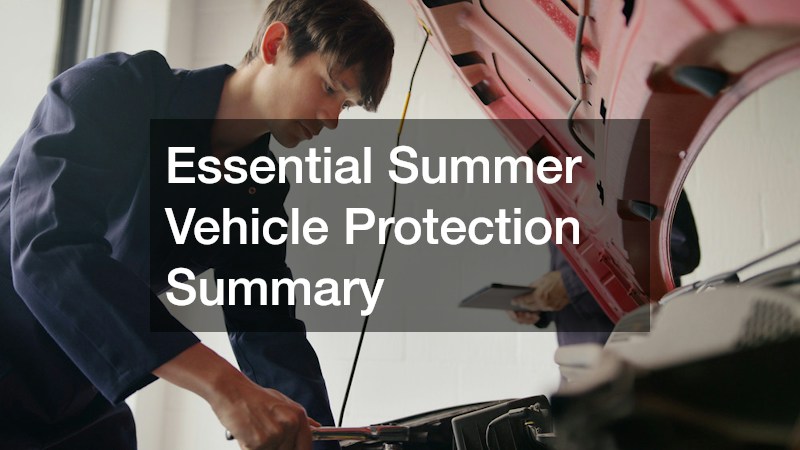
To keep your car fully protected from high heat and intense UV rays, structure your seasonal care around a consistent routine. In the spring and mid-summer, wash, clay bar, and apply a fresh layer of SiO2 ceramic sealant or polymer paint protection to shield clear coat surfaces. Indoors, clean and condition leather seats, door armrests, and steering wheel wraps every two to three months to prevent dry stress cracking, and deploy a custom-fit reflective accordion sunshade in the front windshield every time you park in direct sunlight.
Complement your chemical treatments with physical habits and site management. Treat exterior black plastic bumpers, side mirror mounts, and door rubber seals with silicone-free UV protectants monthly. Whenever possible, prioritize parking inside an insulated garage or under shaded carports, cracking side windows slightly to vent superheated air. Finally, use an air compressor after washing to blow standing water out of badging, window tracks, and side mirror housings before water spots dry under the blazing sun.
Protecting your vehicle from extreme solar heat and UV radiation is one of the most rewarding maintenance habits you can cultivate as a car owner. The relentless combination of summer heat and ultraviolet light works continuously to break down clear coats, fade exterior trim, dry out natural leather, and stress delicate interior electronics. However, by taking an active approach to physical solar blocking, chemical paint sealing, interior conditioning, and climate-controlled garage storage, you can effectively neutralize sun damage and preserve your car’s showroom shine for years.