Vehicle ownership brings unprecedented freedom and daily convenience, yet it also carries the ongoing responsibility of proper vehicle care, regulatory compliance, and contingency planning. Operating a modern vehicle involves managing an intricate network of mechanical components, delicate electronic sensors, specialized fluid hydraulics, and structural safety systems. Over time, friction, thermal stress, environmental exposure, and regular wear inevitably degrade these critical sub-systems. Without a proactive strategy for professional care and timely interventions, minor mechanical issues can rapidly compound into costly structural failures, hazardous breakdown situations, or severe drops in overall resale value.
Navigating the expansive landscape of modern vehicle maintenance requires a clear understanding of the various specialized professional disciplines across the automotive sector. Every component of a vehicle—from its internal combustion engine or high-voltage electric drivetrain down to its braking assemblies, chassis geometry, exterior finish, and legal documentation—demands precise technical expertise. Recognizing when a routine maintenance procedure is sufficient versus when to consult specialized technicians, legal representatives, or equipment facilities allows vehicle owners to make informed, cost-effective decisions throughout the lifecycle of their transportation assets.
By taking an organized approach to routine servicing, protective exterior treatments, heavy-duty mechanical overhauls, and post-incident recovery, drivers can optimize fuel efficiency, maintain peak operational reliability, and ensure driver safety across all road conditions. This comprehensive guide outlines the foundational servicing disciplines, expert operational insights, and critical secondary support systems that every responsible vehicle owner should understand to keep their investment running safely, efficiently, and dependably for years to come.
Establishing Routine Preventative Maintenance Schedules
The foundation of long-term vehicle reliability rests squarely on disciplined, routine preventative care. Internal combustion engines rely on precise hydraulic pressure and continuous liquid lubrication to protect thousands of rapidly moving metallic components from friction, extreme heat, and metal-on-metal galling. As engine oil circulates through internal galleys, it absorbs ambient soot, microscopic metal shavings, moisture, and unburned fuel byproducts, causing its protective viscosity to breakdown over operational hours.
Establishing a consistent baseline for basic fluid replacement prevents severe engine sludge accumulation and mitigates premature component wear across critical valve trains and crankshaft bearings.
-
Fluid Viscosity Monitoring: Always match oil viscosity ratings (such as 0W-20 or 5W-30) strictly to manufacturer specifications to ensure proper thermal flow during cold starts.
-
Filter Element Replacement: Replace the primary oil filter during every liquid service to ensure particulate contaminants are continuously trapped before re-entering circulation.
-
Routine Inspection Intervals: Perform systematic fluid checks every three thousand to seven thousand five hundred miles depending on synthetic versus conventional fluid formulations.
Scheduling a professional oil change at recommended manufacturer intervals remains the single most cost-effective procedure a vehicle owner can perform to extend powertrain longevity. Modern synthetic lubricants contain advanced detergent additives that actively clean internal surfaces, reduce operating temperatures, and preserve fuel efficiency across demanding driving environments.
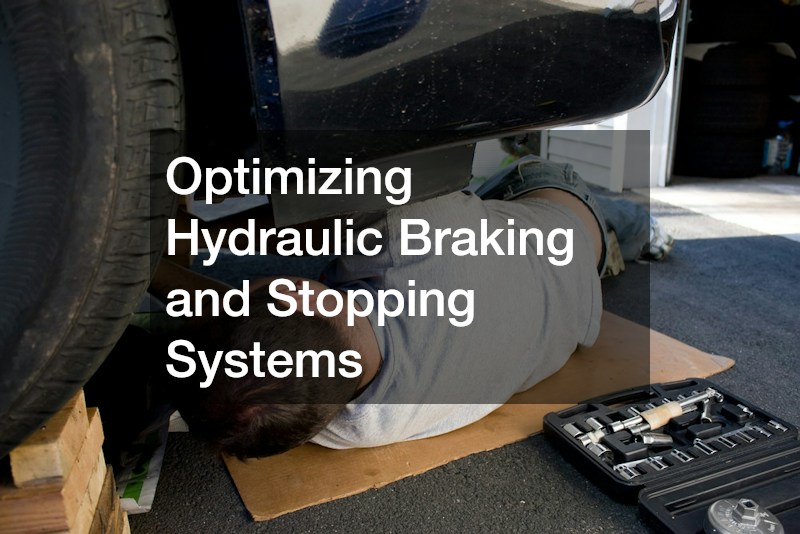
Optimizing Hydraulic Braking and Stopping Systems
A vehicle’s stopping system is its most vital primary safety feature, converting kinetic energy into thermal energy through controlled friction. Modern hydraulic braking networks use fluid pressure to compress high-friction brake pads against rotating iron rotors attached to the wheel hubs. Over thousands of stopping cycles, heat dissipation, friction wear, and atmospheric moisture accumulation degrade both friction pads and hydraulic fluid integrity, resulting in longer stopping distances and spongy pedal feel.
Maintaining consistent stopping power requires periodic inspection of pads, rotors, calipers, and hydraulic line pressure.
-
Friction Material Thickness: Inspect brake pad friction linings regularly, replacing pads before friction material wears below three millimeters to prevent rotor scoring.
-
Rotor Surface Resurfacing: Check iron brake rotors for heat cracks, warping, or deep grooves, resurfacing or replacing them in matched pairs across axles.
-
Hydraulic Fluid Flushing: Bleed and replace hygroscopic brake fluid every two years to prevent internal line corrosion and eliminate trapped air bubbles.
Investing in certified brake repair services guarantees that calipers are properly lubricated along guide pins, hydraulic lines are bled of air, and pad materials are bedded correctly to the rotors. Professional technicians use specialized precision instruments to verify rotor runout and ensure the entire friction assembly operates reliably during high-speed emergency stopping maneuvers.
Managing Heavy-Duty Powertrains and Compression Systems
Heavy-duty passenger trucks, commercial hauling vehicles, and specialized utility platforms often employ high-compression diesel engines designed for massive low-end torque and high thermal efficiency. Unlike gasoline engines that rely on spark ignition, these powertrains utilize high pressure, glow plugs, and direct compression ignition to ignite dense fuel-air mixtures. The unique mechanical tolerances, high turbocharger pressures, and complex exhaust after-treatment systems found in these engines demand specialized technical expertise.
Maintaining high-compression engines involves rigorous oversight of high-pressure common rail fuel systems and particulate filtration units.
-
Fuel Filtration Maintenance: Replace primary and secondary fuel filters regularly to prevent water contamination and microscopic abrasive grit from damaging high-pressure fuel pumps.
-
Exhaust After-Treatment Care: Monitor Diesel Particulate Filters (DPF) and Diesel Exhaust Fluid (DEF) levels to ensure strict emissions compliance and prevent power reduction modes.
-
Turbocharger System Audits: Check intake boost hoses, intercoolers, and turbine bearings regularly for oil leaks or mechanical play under heavy loads.
Relying on experienced diesel mechanics ensures that specialized fuel injectors are precisely calibrated, high-pressure fuel rails maintain exact tolerances, and complex emissions systems function without power loss. These specialized technicians possess the diagnostic software required to read manufacturer-specific diagnostic trouble codes and perform complex mechanical overhauls safely.
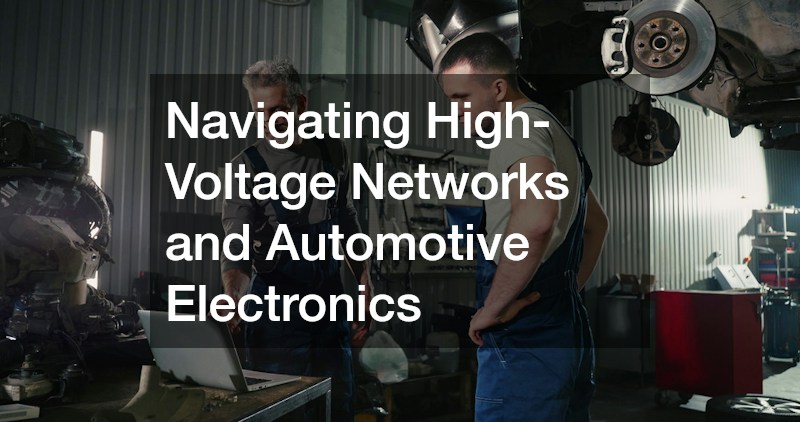
Navigating High-Voltage Networks and Automotive Electronics
Modern automobiles are essentially sophisticated, software-driven computers on wheels, containing dozens of interconnected Electronic Control Units (ECUs) linked via Controller Area Network (CAN bus) wiring. From multiplexed lighting systems and electronic power steering units to hybrid traction batteries and advanced driver assistance sensors (ADAS), electrical stability is vital to proper vehicle operation. Intermittent electrical faults, voltage drops, or short circuits can trigger erratic vehicle behavior that traditional mechanical troubleshooting cannot resolve.
Systematic electrical diagnostics require specialized digital multimeters, oscilloscope diagnostic tools, and deep knowledge of wiring schematics.
-
Battery and Alternator Testing: Periodically test static battery voltage, cold cranking amperage, and alternator charging output under full electrical load.
-
Harness and Connector Integrity: Inspect exposed wiring harnesses for thermal insulation breakdown, rodent damage, or environmental corrosion along chassis ground terminals.
-
Sensor Calibration: Calibrate radar units, optical cameras, and steering angle sensors following any front-end repair or suspension alignment work.
Entrusting complex electrical troubleshooting to certified electricians ensures that wiring repairs meet stringent aerospace and automotive standards. These credentialed specialists systematically isolate phantom current draws, repair delicate circuit board connections, and safely service high-voltage hybrid and electric vehicle battery architectures without damaging sensitive microcontrollers.
Utilizing Specialized Infrastructure for Hands-On Maintenance
For skilled DIY enthusiasts, professional mechanics, and independent restoration hobbyists, performing comprehensive undercarriage maintenance on floor jacks and jack stands can be restrictive and hazardous. Major mechanical jobs—such as transmission removals, exhaust system replacements, differential overhauls, and complete suspension rebuilds—require total, unhindered access to the vehicle’s underside with ample clearance and structural stability.
Renting access to professional bay facilities provides a controlled environment equipped with commercial-grade machinery and heavy machinery safety locks.
-
Structural Weight Safety: Always verify that hydraulic lift arms are securely positioned under factory-designated frame jacking points before elevating any chassis.
-
Ergonomic Work Environment: Working at full standing height dramatically reduces physical strain, speeds up repair timelines, and improves visual clarity during underbody inspections.
-
Access to Air Tools: Commercial DIY facilities typically provide high-capacity compressed air lines, heavy-duty impact wrenches, oil catch basins, and specialty pullers.
Utilizing dedicated car lift rentals gives home mechanics safe, affordable access to hydraulic post lifts and heavy shop equipment without requiring a multi-thousand-dollar home garage installation. Working with professional-grade overhead lifting equipment eliminates the severe safety risks associated with supporting heavy vehicles on temporary hydraulic bottle jacks.
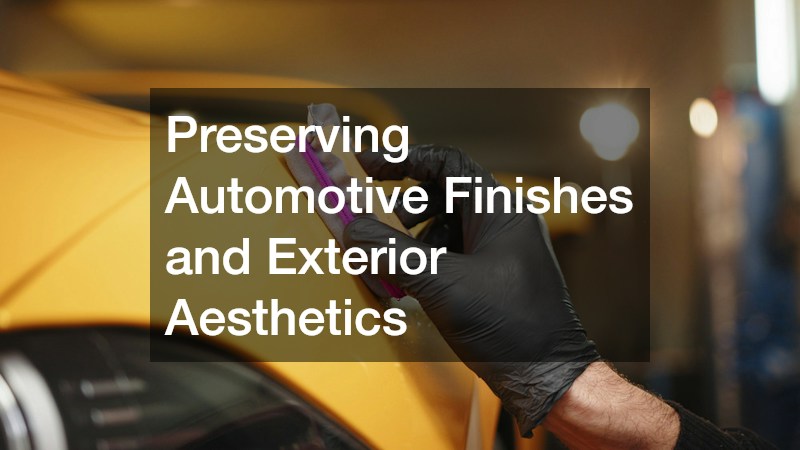
Preserving Automotive Finishes and Exterior Aesthetics
A vehicle’s exterior bodywork does far more than create visual appeal; it forms the primary protective shield against weather, road salt, industrial fallout, and ultraviolet radiation. Over years of exposure, clear coat finishes degrade, leading to oxidation, paint fading, clear coat peeling, and eventual metal rust. Restoring or fully customizing a vehicle’s finish requires strict surface prep, paint blending expertise, and climate-controlled curing conditions.
Professional bodywork involves systematic panel straightening, sanding, priming, base coat application, and durable clear coat finishing.
-
Surface Decontamination: Thoroughly wash, clay-bar, and strip wax from bare panels to eliminate silicone, oil, and embedded contaminants prior to sanding.
-
Precision Color Matching: Utilize computerized spectrophotometers to analyze factory paint codes and account for natural solar fading when mixing base colors.
-
Multi-Stage Clear Coating: Apply high-solids polyurethane clear coats in dust-free, down-draft spray booths to achieve deep gloss and high UV resistance.
Commissioning professional auto painting restores a vehicle’s factory appearance, repairs accident damage seamlessly, and preserves structural sheet metal from environmental rust. High-quality paint finishes significantly increase a vehicle’s market value and ensure the bodywork remains resistant to stone chips and chemical staining.
Enhancing Cabin Comfort, Privacy, and Solar Protection
Intense solar radiation entering through automotive glass can rapidly heat a vehicle’s cabin, making interior air conditioning systems work harder and consuming additional fuel. Furthermore, harsh ultraviolet (UV) light degrades interior materials, causing leather upholstery to dry and crack while vinyl dashboards fade and warp over time. Applying high-performance optical window films provides immediate thermal relief, enhances privacy, and protects internal cabin surfaces.
Modern window films utilize advanced ceramic or carbon nano-particle technologies to block solar heat without interfering with electronic signals.
-
Ultraviolet and Infrared Rejection: Select high-grade ceramic films capable of blocking up to ninety-nine percent of harmful UV rays and over eighty percent of infrared heat.
-
VLT Regulatory Compliance: Ensure the Visible Light Transmission (VLT) percentage chosen meets legal state regulations for front side windows, rear windows, and windshield visors.
-
Optical Clarity Installation: Professional computer-cut pattern installers heat-shrink film precisely to glass curves to eliminate bubbles, peeling edges, or optical distortion.
Investing in professional auto tinting keeps interior temperatures significantly cooler, reduces glare during bright daytime driving, and safeguards delicate interior trim from sun damage. High-performance optical films also add a layer of shatter-resistance to side glass, improving occupant safety in the event of an impact or attempted break-in.
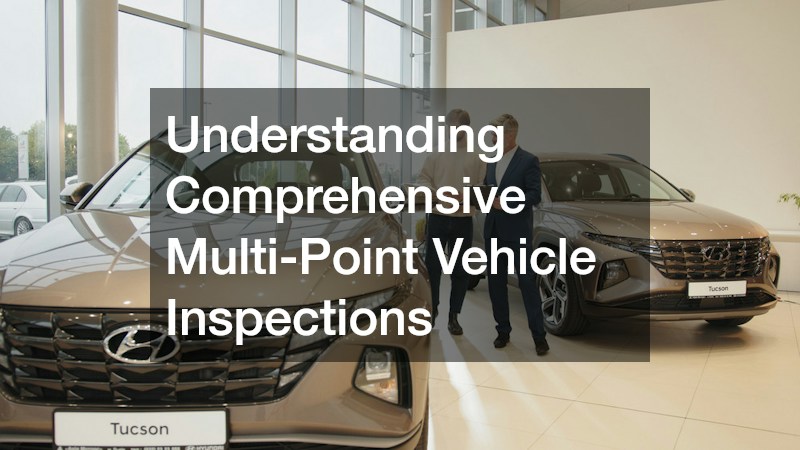
Understanding Comprehensive Multi-Point Vehicle Inspections
Modern automobiles contain thousands of wear items that gradually deteriorate over time and mileage. A structured, top-to-bottom vehicle health audit provides an accurate snapshot of current component condition, allowing owners to prioritize urgent repairs while budgeting for upcoming maintenance needs. These holistic evaluations cover steering linkages, suspension bushings, drive belts, fluid levels, exhaust systems, and tire tread wear.
Systematic multi-point inspections prevent unexpected roadside breakdowns by catching component fatigue long before mechanical failure occurs.
-
Drive Belt and Hose Audits: Inspect serpentine belts for dry rot cracks and check radiator hoses for soft spots or swollen fitting ends under pressure.
-
Suspension and Steering Checks: Check ball joints, tie rod ends, control arm bushings, and strut mounts for excessive mechanical play or leaking grease boots.
-
Tire Tread and Geometry Evaluation: Measure tread depth across inner, center, and outer grooves using depth gauges to spot uneven wear caused by poor wheel alignment.
Accessing full-service auto services ensures that every critical safety system, computer module, and physical wear item is thoroughly evaluated by trained technicians. Detailed diagnostic health reports allow drivers to address minor fluid leaks or worn bushings before they trigger catastrophic failures in surrounding mechanical assemblies.
Managing End-of-Life Vehicle Logistics and Recycling
Every vehicle eventually reaches a point in its operational lifespan where the cost of necessary mechanical repairs, structural rust restoration, or accident rebuilds exceeds its actual market value. Continuing to pour capital into an unserviceable, non-running, or structurally compromised vehicle creates an ongoing financial drain through insurance costs, storage fees, and neighborhood code violations. In these scenarios, responsible end-of-life retirement is the most pragmatic choice.
Automotive recycling centers offer an eco-friendly path for dismantling aged or totaled vehicles while recovering valuable raw metals and usable spare parts.
-
Title and Ownership Transfer: Ensure all legal title documents are clear of active liens and properly notarized to execute a legal transfer of ownership.
-
Fluid and Hazardous Material Draining: Professional recyclers drain engine oils, refrigerants, mercury switches, and battery acids prior to shredding body shells.
-
Metal Reclamation: Scrap processors melt down steel chassis, aluminum engine blocks, and copper wiring harnesses to supply recycled raw materials back into manufacturing chains.
Arranging for the removal of an unwanted junk car turns an unserviceable property liability into immediate cash while freeing up valuable garage or driveway space. Professional towing services extract non-running vehicles safely from residential properties, ensuring all hazardous fluids and heavy scrap components are recycled in full compliance with environmental regulations.
Navigating Legal Protection and Claims After Collisions
Even the most vigilant drivers can find themselves involved in unpredictable highway collisions due to driver distraction, hazardous weather, or traffic violations by other motorists. Beyond the immediate shock of physical impact and vehicle damage, motor vehicle accidents often lead to complex medical claims, disputed fault liabilities, lost income, and aggressive insurance negotiations. Protecting your legal rights and financial stability requires knowledgeable advocacy early in the post-accident process.
Navigating insurance claims without legal counsel can leave accident victims vulnerable to low settlement offers that fail to cover long-term medical care or full vehicle replacement costs.
-
Evidence Preservation: Document crash scenes thoroughly with high-resolution photographs of vehicle positions, skid marks, road conditions, and property damage.
-
Medical Evaluation Records: Seek immediate medical attention following any impact, keeping detailed records of all doctor evaluations, physical therapy bills, and diagnostic imaging.
-
Insurance Communication Protocols: Avoid providing recorded statements to insurance adjusters before reviewing your policy rights with a qualified legal representative.
Retaining an experienced auto accident attorney ensures that crash evidence is independently investigated, driver liability is legally established, and insurance companies are held accountable for full compensation. Skilled legal counsel manages all communications, medical lien negotiations, and legal filings so injured drivers can focus fully on physical and emotional recovery.
Maintaining a vehicle in peak operational condition demands a balanced combination of proactive mechanical care, protective treatments, specialized technical expertise, and sound legal preparation. From basic engine lubrication and hydraulic stopping system overhauls to advanced high-voltage electrical diagnostics and end-of-life recycling, each automotive service discipline fulfills a vital role in preserving driver safety and vehicle longevity. Understanding the unique purpose of these specialized services empowers owners to address wear and tear long before it escalates into hazardous breakdown events.
Ultimately, successful car ownership comes down to making informed, proactive decisions at every stage of a vehicle’s life cycle. By establishing trusted relationships with certified mechanical specialists, bodywork professionals, and legal advisors, drivers can navigate the complexities of vehicle maintenance with complete confidence. Investing in expert care today ensures your vehicle remains a reliable, efficient, and safe mode of transportation for every journey ahead.